Despite Ukraine’s opening-game loss, Elena Siniakova was one of the brightest performers on the court. The talented forward finished with 13 points and 14 rebounds, leading her team against a strong and physically imposing Czech squad.
The first day of the FIBA U20 Women’s EuroBasket featured several exciting games. As expected, Latvia defeated Sweden, while Lithuania opened the tournament with a victory over Bosnia and Herzegovina.
Ukraine faced Czechia in its opening group-stage game. The contest remained close early on, but the taller and more athletic Czech team gradually took control. Throughout the game, Siniakova continued to battle on both ends of the floor, keeping Ukraine competitive with her scoring, rebounding and relentless effort.
With a little more support against Czechia’s size and physicality, the final result could have been much closer. Czechia eventually claimed a 79–64 victory.
It was only the first game of the tournament, and Ukraine still has every opportunity to improve as the championship continues. Overall, the level of competition at this year’s European Championship is very high, and many of the players participating have the potential to build successful careers in both college basketball and professional basketball.
Author: Boris Karebin
-
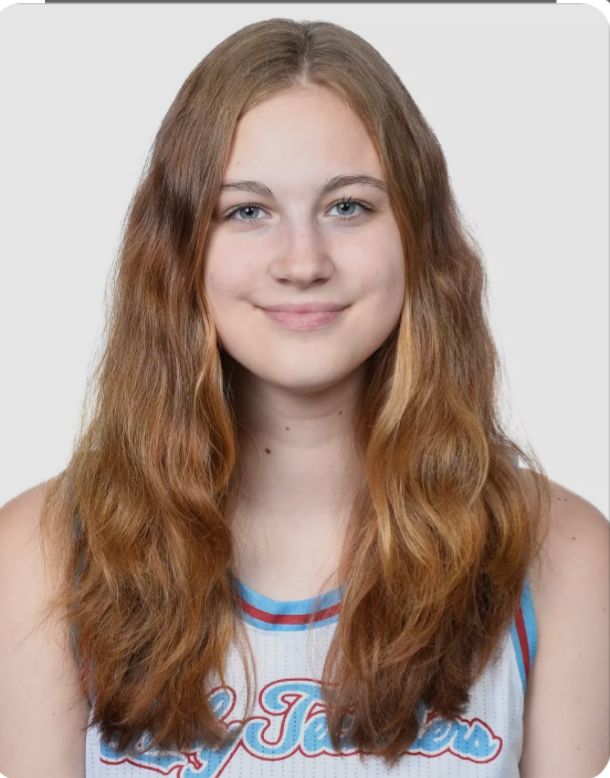
Elina Syniakova records 13 points and 14 rebounds in the opening game against Czechia at the FIBA U20 Women’s EuroBasket.
-
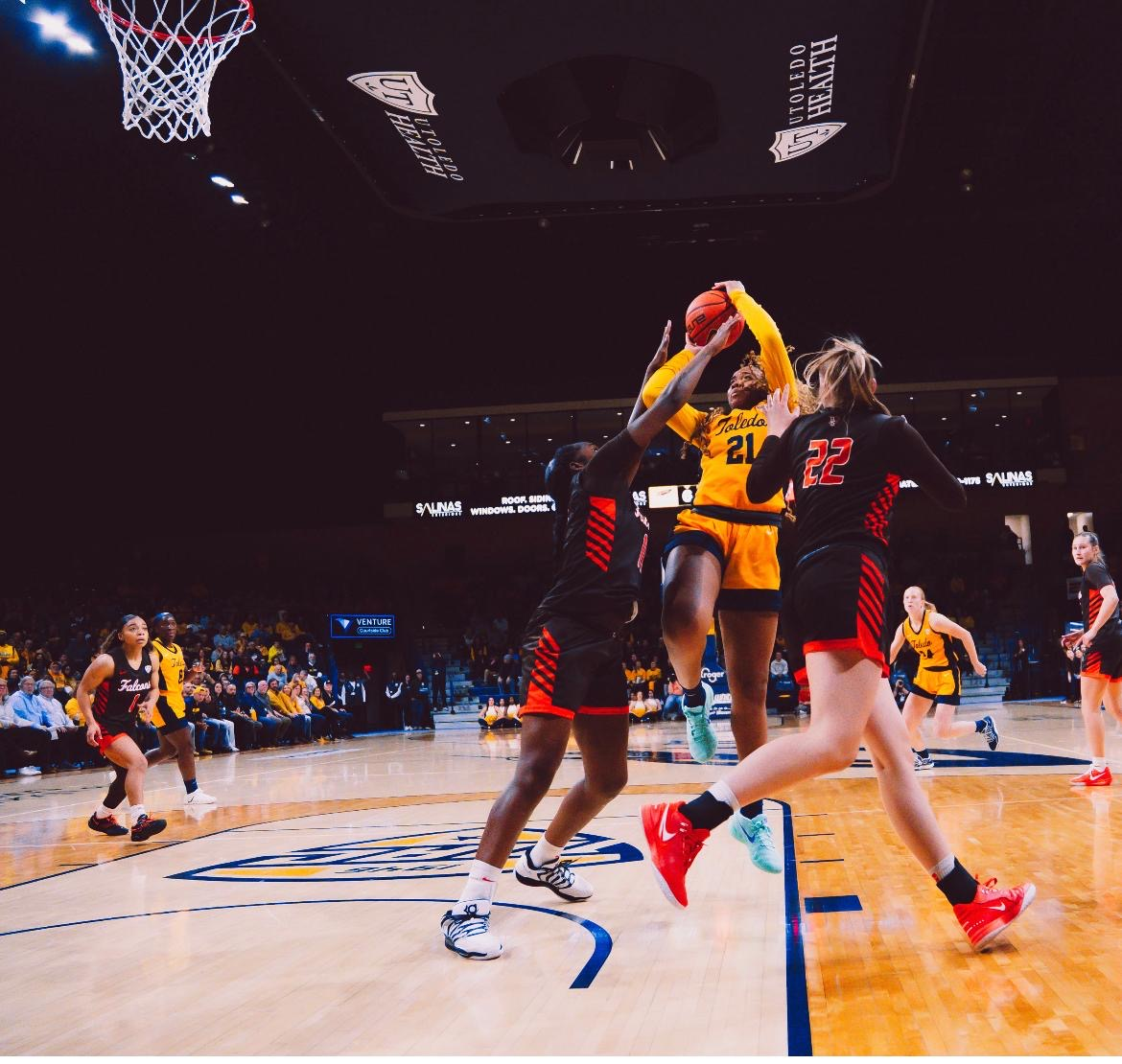
Why Many NCAA Basketball Players Earn More Than Professional Players in Europe
The landscape of American college basketball is changing faster than ever before. With the introduction of NIL (Name, Image and Likeness) opportunities and the growth of donor collectives, NCAA athletes can now earn significant amounts of money while representing their universities.
Let’s look at the current market using women’s NCAA basketball as an example. In men’s basketball, the numbers are often even higher.
The NCAA Conference System
There are 32 NCAA Division I conferences. Each conference consists of approximately 10 to 16 universities.
However, the financial resources are distributed very unevenly.
The two richest conferences—Southeastern Conference (SEC) and Big Ten Conference—control roughly 60% of the total money available in college athletics.
The next two major conferences—Atlantic Coast Conference (ACC) and Big 12 Conference—account for approximately 25% of the market.
The remaining 28 conferences share the final 15% of available resources.
The stronger the conference, the more television revenue, sponsorships, ticket sales, alumni donations, and football-related income its universities generate. As a result, players at those schools receive significantly greater financial support.
Estimated Annual Collective Payments for Starters
Below are approximate annual earnings for starting players through collectives and institutional support programs (excluding NIL endorsement contracts):
- SEC: approximately $200,000–$800,000 per year
- Big Ten: approximately $150,000–$600,000 per year
- ACC: approximately $100,000–$400,000 per year
- Big 12: approximately $120,000–$450,000 per year
- Big East Conference: approximately $80,000–$300,000 per year
By the seventh-ranked conference, many starters typically receive between $50,000 and $200,000 annually.
Around the middle of Division I (roughly conferences ranked 14–16), typical collective payments fall into the $15,000–$60,000 per year range.
In the lower conferences, financial support continues to decrease, with many players receiving approximately $10,000–$50,000 annually, and in some conferences even less.
Every Scholarship Has Value
Even universities with smaller athletic budgets try to provide financial assistance to their players.
Most Division I athletes receive a full athletic scholarship, covering tuition, housing, meals, books, and other educational expenses.
In addition to the scholarship, many players receive money through collectives, alumni-supported organizations that compensate athletes under current NCAA rules.
NIL Is a Different Story
NIL (Name, Image and Likeness) earnings are completely separate from collective payments.
Elite players who build a strong personal brand can sign endorsement agreements worth hundreds of thousands—or even millions—of dollars.
For example, Olivia Miles reportedly signed NIL agreements valued in the multi-million-dollar range, while several of the nation’s biggest stars have secured NIL packages worth several million dollars annually.
These are exceptional cases. Most college athletes earn much more modest amounts.
The Bottom Line
The financial structure of NCAA basketball has become increasingly professional.
A player can now receive:
- A full athletic scholarship;
- Additional annual income through university collectives;
- Separate NIL endorsement contracts, if they have significant market value.
The principle remains simple:
The better you play, the more opportunities you create—and the more you can earn.
-

Tatiana Evko Begins a New Chapter at New Mexico Junior College
BK CENTRE proudly congratulate Tatiana Evko on reaching an important milestone in her basketball journey. For the past five years, our team has worked closely with Tatiana, helping her develop her game and preparing her step by step for the opportunity to continue her career in American college basketball.
Tatiana will begin the upcoming season at New Mexico Junior College. This achievement is the result of years of hard work, dedication, and a shared belief in the goal that has now become a reality.
Special congratulations go to Tatiana’s coach, Eugeny Babaitzev, whose guidance and commitment have played a significant role in her development. The cooperation between the player, her coach, and the BK-CENTRE staff has created a strong foundation for future success.
Throughout these years, Tatiana has repeatedly demonstrated outstanding character, perseverance, and a relentless desire to improve. Those qualities have enabled her to fulfill an important dream and open the door to new opportunities in the United States.
Great prospects now lie ahead for Tatiana Evko. We sincerely wish Tatiana Evko and everyone involved in this successful partnership continued growth, excellent health, and many victories in the years to come. We are confident that the brightest chapters of Tatiana Evko’s basketball career are still ahead.
-
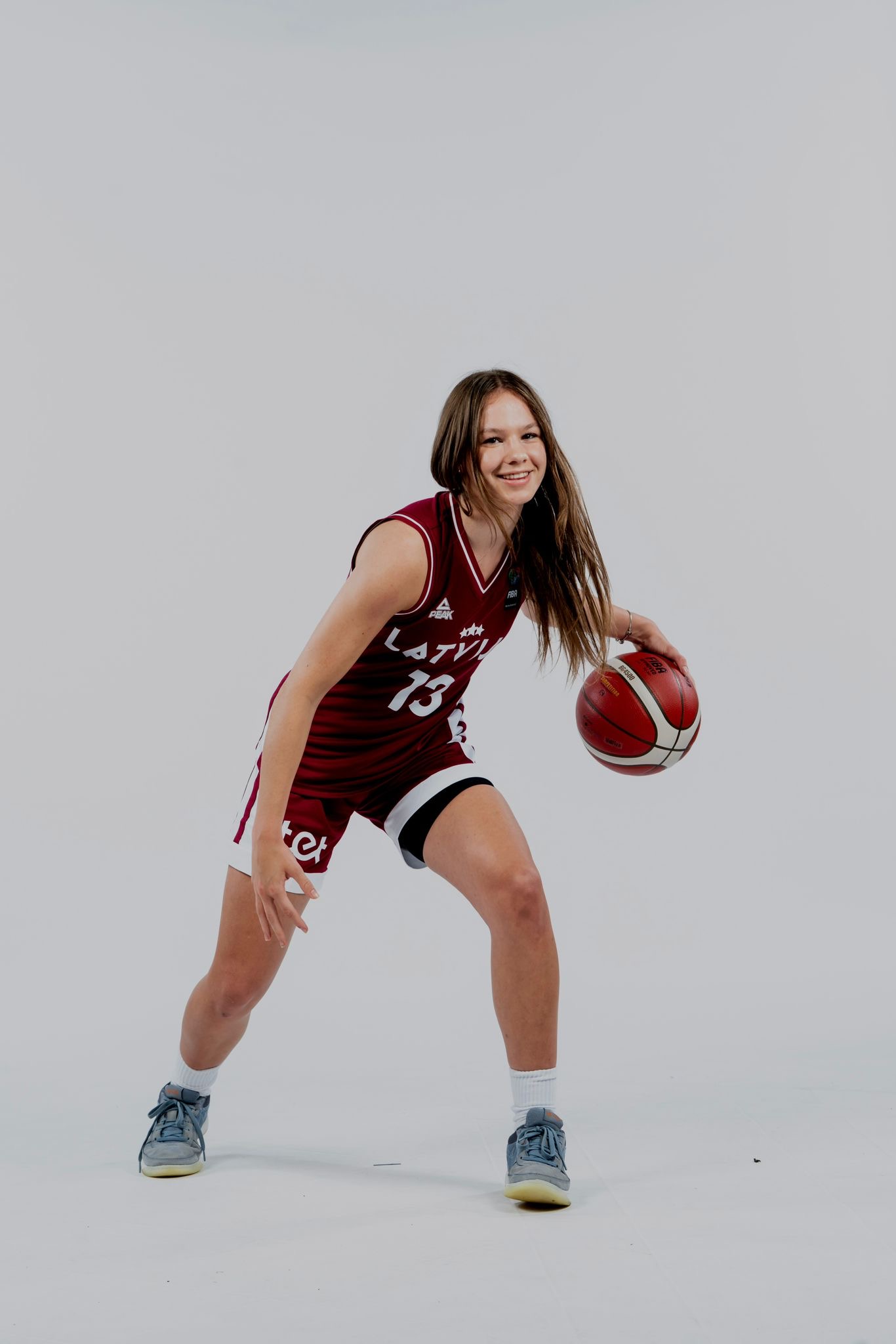
Latvia U20 Defeats Ukraine U20 82-77 in Riga
The second friendly game between the Latvian and Ukrainian Women’s U20 National Teams took place in Riga as both teams continue their preparations for the upcoming FIBA U20 European Championship, which will be held in Sweden.
The game was of special interest as five players represented by BK-CENTRE were on the rosters of the two teams, providing another valuable opportunity to evaluate their readiness ahead of the summer tournament.
Latvia controlled the first half, using aggressive defense and fast-break opportunities to build a comfortable lead. The home team went into halftime ahead 43-30, and it appeared that Latvia was on its way to a relatively easy victory.
However, Ukraine showed great character after the break. Early in the third quarter, the Ukrainians went on a strong run and cut the deficit by ten points. From that moment on, the game remained highly competitive, with both teams battling evenly throughout the second half.
In the closing minutes, Latvia managed to hold on and secure an 82-77 victory.
Zana Straudovska had another solid performance and continues to show why she is considered one of Latvia’s key players. Following the European Championship, she will continue her basketball career at an American college.
Elina Sinyukova, who plays for Butler Community College in Kansas, also delivered a strong performance. She had been dealing with a minor cold before the game and is still working her way back to full strength. Nevertheless, Elina is gradually regaining her form, and there is every reason to believe that she will make a significant impact for her team at the European Championship.
With the tournament approaching, both Latvia and Ukraine demonstrated that they are capable of competing at a high level and fighting for strong results in Sweden.
-
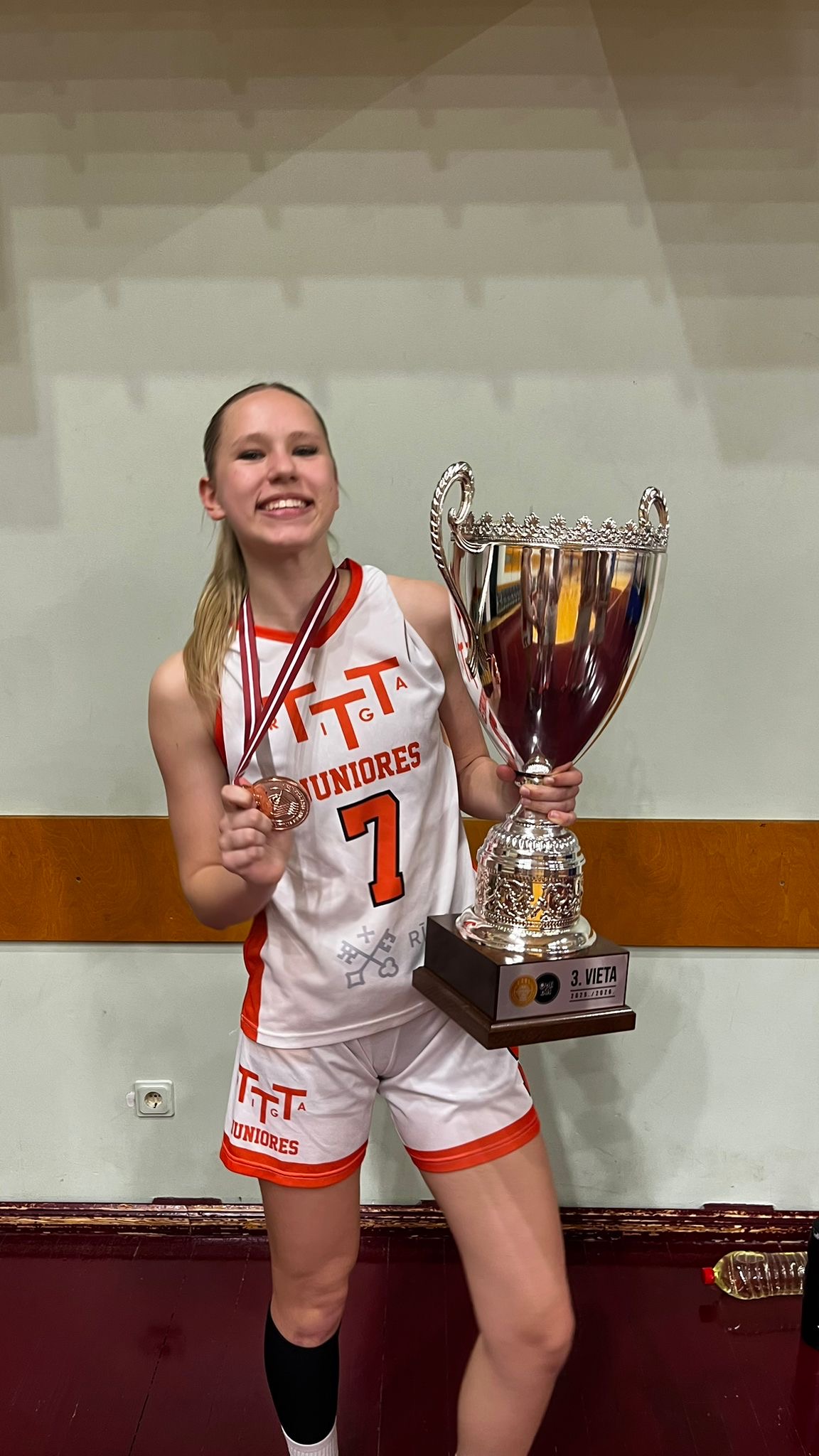
Our Young College Players Enter the Final Stage of Preparation for the European Championships
Several important games involving women’s national teams preparing for the upcoming European Championships took place today.
In Riga, the Latvian and Ukrainian U20 national teams met in a friendly game. Latvia came away with a 64-54 victory. However, as it was the first exhibition game of the summer, neither team displayed its full game identity, making it clear that both sides are still in the early stages of preparation and continue to build chemistry and form.
Even more exciting action unfolded in China, where the U18 international tournament is taking place. China cruised to a convincing victory over Serbia, but the highlight of the day was the matchup between Latvia and Brazil.
Players connected with our program were on both sides. Latvia got off to a fast start and built an early lead, but Brazil fought back midway through the second quarter, turning the contest into a thrilling battle that remained close until the final minutes.
The teams represented two completely different basketball styles. Latvia relied on speed, mobility and floor spacing, stretching the defense and attacking with accurate three-point shooting. Brazil, meanwhile, featured two powerful and athletic forwards who dominated inside the paint, creating major problems on the boards and around the basket. The clash between these contrasting basketball philosophies made for a highly entertaining and physical game.
One of Latvia’s leaders was Santa Ozola, who knocked down two crucial three-pointers in the closing minutes. Neither team was able to gain more than a two-point advantage late in the game, but Latvia held its composure and secured a hard-fought 62-58 victory.
As the European Championships approach, the final phase of preparation is underway, and young players continue to improve, showing increasingly mature and high-quality basketball.