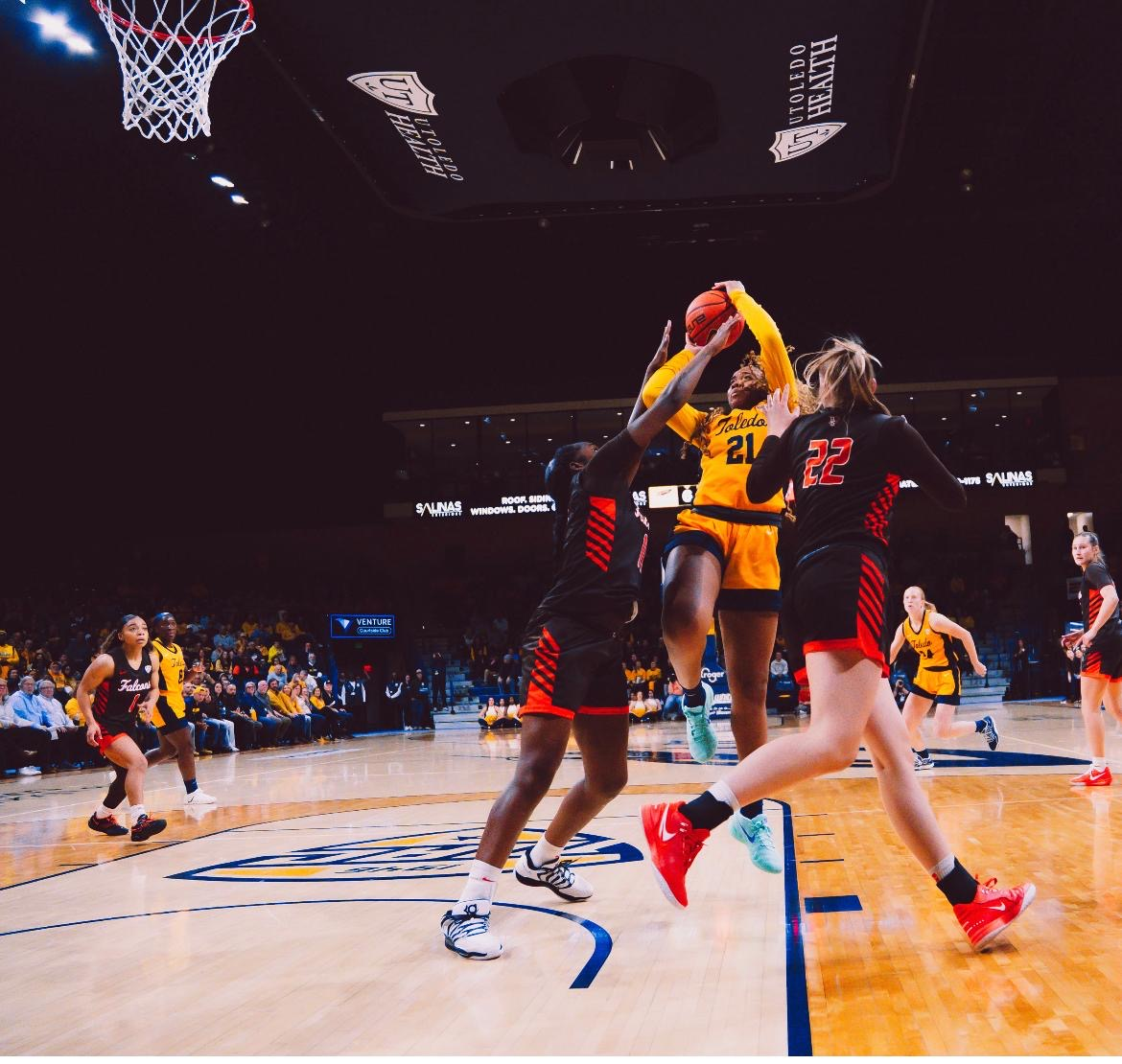
The landscape of American college basketball is changing faster than ever before. With the introduction of NIL (Name, Image and Likeness) opportunities and the growth of donor collectives, NCAA athletes can now earn significant amounts of money while representing their universities.
Let’s look at the current market using women’s NCAA basketball as an example. In men’s basketball, the numbers are often even higher.
The NCAA Conference System
There are 32 NCAA Division I conferences. Each conference consists of approximately 10 to 16 universities.
However, the financial resources are distributed very unevenly.
The two richest conferences—Southeastern Conference (SEC) and Big Ten Conference—control roughly 60% of the total money available in college athletics.
The next two major conferences—Atlantic Coast Conference (ACC) and Big 12 Conference—account for approximately 25% of the market.
The remaining 28 conferences share the final 15% of available resources.
The stronger the conference, the more television revenue, sponsorships, ticket sales, alumni donations, and football-related income its universities generate. As a result, players at those schools receive significantly greater financial support.
Estimated Annual Collective Payments for Starters
Below are approximate annual earnings for starting players through collectives and institutional support programs (excluding NIL endorsement contracts):
- SEC: approximately $200,000–$800,000 per year
- Big Ten: approximately $150,000–$600,000 per year
- ACC: approximately $100,000–$400,000 per year
- Big 12: approximately $120,000–$450,000 per year
- Big East Conference: approximately $80,000–$300,000 per year
By the seventh-ranked conference, many starters typically receive between $50,000 and $200,000 annually.
Around the middle of Division I (roughly conferences ranked 14–16), typical collective payments fall into the $15,000–$60,000 per year range.
In the lower conferences, financial support continues to decrease, with many players receiving approximately $10,000–$50,000 annually, and in some conferences even less.
Every Scholarship Has Value
Even universities with smaller athletic budgets try to provide financial assistance to their players.
Most Division I athletes receive a full athletic scholarship, covering tuition, housing, meals, books, and other educational expenses.
In addition to the scholarship, many players receive money through collectives, alumni-supported organizations that compensate athletes under current NCAA rules.
NIL Is a Different Story
NIL (Name, Image and Likeness) earnings are completely separate from collective payments.
Elite players who build a strong personal brand can sign endorsement agreements worth hundreds of thousands—or even millions—of dollars.
For example, Olivia Miles reportedly signed NIL agreements valued in the multi-million-dollar range, while several of the nation’s biggest stars have secured NIL packages worth several million dollars annually.
These are exceptional cases. Most college athletes earn much more modest amounts.
The Bottom Line
The financial structure of NCAA basketball has become increasingly professional.
A player can now receive:
- A full athletic scholarship;
- Additional annual income through university collectives;
- Separate NIL endorsement contracts, if they have significant market value.
The principle remains simple:
The better you play, the more opportunities you create—and the more you can earn.